How to Run a Successful Fundraising Campaign (Step-by-Step Guide) Copy Copy Copy Copy
Running a fundraising campaign can feel overwhelming—especially when your team is balancing competing priorities, limited time, and growing community needs. But with the right structure, messaging, and donor-centered approach, a campaign can energize your supporters, strengthen relationships, and generate meaningful revenue for your mission.
Whether you’re preparing for an annual fund drive, a targeted appeal, or a larger campaign, this guide walks you through the essential steps every nonprofit needs to run a successful fundraising campaign.
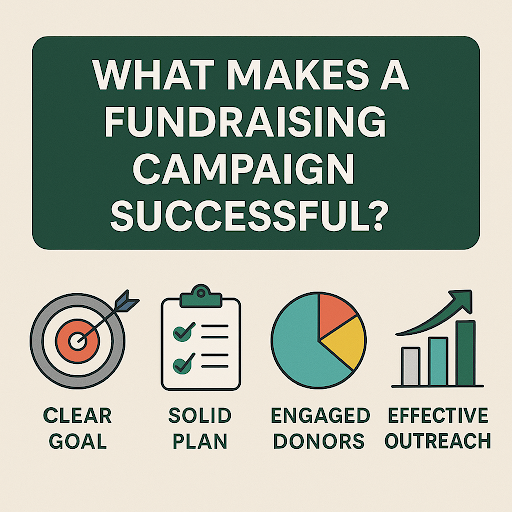
The most effective fundraising campaigns aren’t improvised—they’re intentional. A successful campaign includes:
A clear, compelling goal
A strong case for support
Targeted donor segmentation
A thoughtful multi-channel communication plan
Engaged leadership
A realistic timeline with strong internal alignment
Each phase builds momentum and reinforces donor trust—two essentials for a campaign that exceeds expectations.
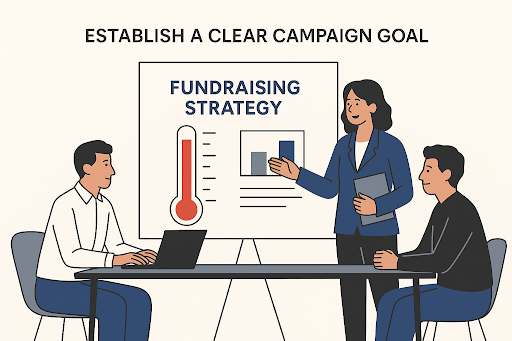
Establish a Clear Campaign Goal
Step
We begin by understanding your fundraising history, current systems, donor base, and goals
Set a Realistic Revenue Goal
Your revenue goal should be ambitious but grounded in data. Consider past results, donor capacity, segmentation insights, and historical giving patterns.
Define Non-Financial Goals
Non-financial goals can be equally important for long-term success. These may include:
Donor participation rates
New donor acquisition
Reactivating lapsed donors
Increased board involvement
Clarify the Purpose (“Why Now?”)
Donors give when they understand the urgency. Make the impact tangible and connect the campaign to a meaningful outcome your community cares about.
Build a Compelling Case for Support
Step
Image Prompt:
Impact-driven photo of beneficiaries, mission-aligned imagery, or nonprofit showcasing its programs (not stock “smiling people holding signs”).
Articulate the Need
Explain the problem, challenge, or opportunity your campaign will address. This creates clarity and helps donors identify with your mission.
Explain the Impact
Show exactly how donor contributions will make a difference. Specificity increases donor confidence.
Tailor the Message to Each Donor Segment
A major donor needs different messaging than a first-time donor. Adjust tone, examples, and urgency to meet each audience where they are.
Segment Your Donors
Step
Image Prompt:
Donor database dashboard, CRM segmentation illustration, or a visual representing donor categories.
Not all donors give for the same reasons—or at the same levels. Segmentation ensures that messaging reaches the right audience with the right approach.
Identify High-Priority Donors
Focus first on:
Major donors
Past campaign supporters
LYBUNTs
SYBUNTs
Create Customized Outreach Plans
Tailored touchpoints—like personal calls, emails, or meetings—improve engagement and increase average gift size.
Expand Your Prospecting List
Include corporate partners, community leaders, alumni, parents, associations, and mission-aligned partners.
Develop a Multi-Channel Outreach Strategy
Step
Image Prompt:
Multi-channel graphic showing email, social media icons, direct mail, events, and personal outreach.
A campaign gains momentum when donors hear a consistent message across multiple channels.
Email Communications Plan
Craft a thoughtful sequence:
Warm-up message
Launch announcement
Mid-campaign update
Final push
Social Media Strategy
Share stories, visuals, impact quotes, and goal updates to inspire supporters.
Personalized Outreach for Key Donors
High-value donors should receive individualized communication. This includes calls, personalized letters, and targeted meeting requests.
Campaign Landing Page
Your website should include a dedicated page with:
A strong case for support
Ways to give
A clear CTA
Optional progress updates
Prepare Your Leadership and Team
Step
Image Prompt:
Photo of board or leadership team in a meeting with documents, laptops, and strategic discussions.
A successful campaign needs alignment and confidence from everyone involved.
Define Roles & Responsibilities
Clarify who handles:
Messaging
Major donor outreach
Social media
Tracking goals
Volunteer coordination
Provide Talking Points
Consistent messaging ensures your organization speaks with one voice.
Strengthen Board Participation
Board members are powerful campaign ambassadors when equipped with the right tools and training.
Launch Your Campaign with Momentum
Step
Image Prompt:
Launch campaign graphic (e.g., “Campaign Kickoff”) or event photo showing energy and enthusiasm.
Quiet Phase (Optional)
Many nonprofits secure early gifts before a public launch to build confidence and create internal momentum.
Launch Day Communications
Your launch should include:
A compelling email
A website update
Social media content
Personal outreach to key donors
Early Engagement Activities
Kickoff events, gatherings, or small celebrations can generate excitement.
Steward Donors Throughout the Campaign
Step
Image Prompt:
Thank-you note, donor appreciation event photo, or stewardship touchpoint visualization.
Regular Progress Updates
Donors appreciate transparency. Share progress clearly and frequently.
Thank Donors Quickly and Personally
Prompt gratitude increases donor loyalty and future giving.
Storytelling Throughout the Campaign
Impact stories, photos, and testimonials remind donors why their support matters.
If email performance dips or certain donor segments slow down, adjust quickly to keep the campaign on track.
Strengthen Donor Engagement Mid-Campaign
Re-energize interest with stories, reminders, or new impact updates.
Celebrate Success & Close the Loop
Step
Image Prompt:
Celebratory team photo, donor appreciation image, or “Thank You Donors” graphic.
Post-Campaign Stewardship
Thank donors through personal notes, emails, recognition, and impact updates.
Conduct an Internal Debrief
Review:
What worked
What didn’t
Opportunities for improvement
Build a Stewardship Plan
Sustained donor engagement ensures future campaigns have even stronger results.
Conclusion: Your Next Campaign Can Be Your Breakthrough Moment
Image Prompt:
Inspiration-focused image: a nonprofit team looking ahead, mission imagery, or community impact photo.
With clear goals, compelling messaging, thoughtful segmentation, and consistent stewardship, your next fundraising campaign can create powerful momentum for your mission. Every step you take toward clarity and structure strengthens donor trust—and fuels long-term growth.
If you want expert guidance planning your next campaign, Rowse is here to help.
Ready to Strengthen Your Fundraising?
Your mission deserves a sustainable, strategic fundraising program.